Termite Pest Control, Manhattan, Williamsburg & Greenpoint, Brooklyn
termites-eagle-pest-control-brooklyn-exterminator

Eagle Pest Control is a team of licensed exterminators providing termite pest control for Manhattan and Brooklyn. Our client base includes many residents and businesses in Williamsburg and Greenpoint. Contact us for professional and effective extermination services.

Current Termite Infestation? Schedule a Termite Pest Control Inspection

Starting at $75.00 for a basic inspection of a 1-family home. Renewals cost only $149.00 per year.

  • Effective Treatment Program: Tailored to your needs with a two-year guarantee for first-time customers.
  • Annual Inspections: Follow up after the initial treatment to ensure termites are eradicated.
  • Re-treatment at No Cost: If termites persist, we’ll treat your home again at no additional charge until they’re gone.

New York Termite Pest Control Treatment Methods Include:

  • Wall Void Foam Injection
  • Exposed Wood Treatment
  • Baiting
  • Trenching
  • Sub-Slab Injection

A licensed professional will assess your situation to decide the most effective approach.

Termite Prevention

Protect Your Home Before Termites Arrive. Starting at $49.00 a Month, Eagle Pest Control offers protection against termite damage.

  • Quarterly Inspections: Available for homes in Long Island, Staten Island, Queens, Brooklyn, Manhattan, and the Bronx.
  • Certified Annual Inspections: Comprehensive checks of your home and property.
  • No Extermination Fees: If termite activity is detected during inspections, treatment is included at no extra cost.

Keep your home safe and termite-free with our preventive services.

Identification

Home buyer Termite Inspections: Do you need a Termite clearance form by a licensed professional? (Also known as an NPMA-33 ” Wood-destroying insect form.”) Starting as low as $150.00, Eagle Pest Control will utilize the latest hardware, such as water meters and thermal imaging cameras, to detect conditions conducive to termite activity.

Signs of Termite Infestations

Spotting a termite infestation can be challenging, but key indicators include buckling or blistered floorboards, hollow-sounding walls, and overly squeaky floors. Look for swarmers, discarded wings, or dead termites, as well as mud tubes, droppings, or damaged drywall with bubbling paint. Hard-to-open doors, windows, dipping ceilings, or buckling support beams also signal termite activity. Early detection of these signs is crucial to prevent costly structural damage.

Causes of Termite Infestations

Termites are drawn to homes by cellulose in wood, their primary food source, and moisture-rich environments like crawlspaces or damp foundations. Leaky air conditioning units, poor yard drainage, and dripping plumbing create ideal conditions for subterranean termites. Poorly graded yards or clogged gutters exacerbate moisture issues, attracting termites. Addressing these conditions through proper maintenance reduces the risk of termite infestations.

Physical Characteristics of Termites

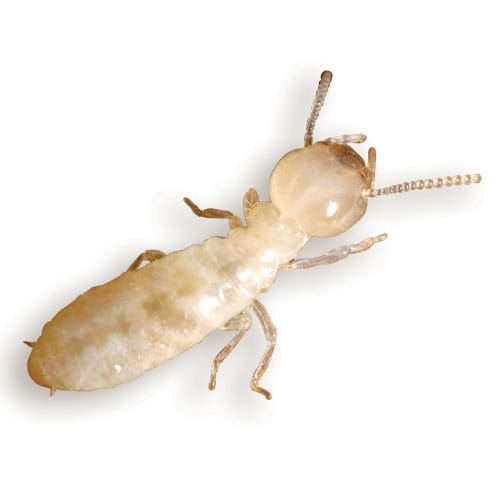
Termites, often mistaken for ants, have distinct features: white or brown bodies, broader waists, and straight antennae, unlike ants’ bent antennae and thin waists. Both have six legs, but termites’ lighter color and wider body shape aid identification. Recognizing these traits helps homeowners distinguish termites from other insects, enabling timely action to address infestations.

Termite Activity by Season

Termites cause damage year-round, but their activity peaks during swarming season. Subterranean termites typically swarm in spring or summer as temperatures rise, while drywood termites are most active in late summer and fall. During swarming, winged termites leave to form new colonies, discarding wings upon settling. Discarded wings or swarming termites are key indicators of an active infestation during these warmer months.

Identifying Termite Damage

Termite damage is characterized by a “waffled” or layered appearance in wood, with hollowed-out structures like walls, furniture, or trees. Look for small holes, empty spaces, or mud tubes in wooden surfaces, fences, or walls. These signs indicate termites have tunneled through, weakening materials. Regular inspections for these distinct patterns help detect infestations before extensive damage occurs.

Termites Across New York

New York State hosts the Subterranean termite, a species notorious for causing structural damage across various regions including Long Island, Staten Island, Brooklyn, Queens, the Bronx, Manhattan, and upstate New York. These termites are particularly active following warm days with rainfall or in heated buildings during winter months. While less common, Drywood termites can also infiltrate New York, typically arriving through infested furniture or wooden items.

Economic Termite Impact

Termites and related pests cause an estimated $30 billion in damage annually to agricultural crops and man-made structures in the U.S. The average cost for a homeowner to repair termite damage can reach up to $3,000.

Termites affect over 600,000 U.S. homes annually, causing $5 billion in damages and treatment costs. Large colonies can consume a pound of wood monthly, often undetected until severe structural damage occurs. Signs include hollowed wood, small holes, and mud tubes in walls or fences. Proactive monitoring and preventative measures are essential to protect homes from costly termite-related repairs.
  • Prevention and Control: Given the significant financial and structural impact, implementing an effective termite prevention and control program is essential.

As a licensed termite inspector, Eagle Pest Control specializes in:

  • Identifying the specific termite species affecting your property.
  • Applying targeted treatments tailored to your unique situation to eradicate termite colonies and prevent future infestations.

Protect your investment by ensuring your property is monitored and treated by professionals well-versed in termite management.

Subterranean Termites

Subterranean termites belong to the Rhinotermitidae family and generally require soil contact for their survival, benefiting from the soil’s moisture and temperature regulation. These termites construct extensive underground nests, connecting them to food sources above ground through protective mud tunnels.

Impact on Structures:

  • They are the primary culprits behind most termite-related damage to homes and buildings across the U.S.
  • The most formidable species, the Formosan termite (Coptotermes formosanus), leads to an annual expenditure of approximately $1 billion in the U.S. for control and repairs.

Signs of Infestation

  • Large Swarms of Flying Termites: Often seen during mating flights.
  • Mud Tubes: Visible trails that termites use to travel between their nest and food sources.

Detection can be challenging, emphasizing the need for regular inspections to pinpoint entry points and signs of activity.

Control Measures

  • Prevention: Since subterranean termites approach from the ground, preventive measures are more straightforward compared to drywood termites.
  • Treatment: Common strategies include:
  • Termiticide Application: Direct application to soil and affected wood to eradicate termites.
  • Bait Stations: Installed around the property to attract and poison termites, disrupting the colony.

Regular inspections and proactive treatments are key to managing and preventing damage from subterranean termites.

Drywood Termites

Drywood termites predominantly inhabit the southern and western U.S., but they spread to other regions via infested furniture. Unlike subterranean termites, drywood termites do not need contact with soil or an external moisture source. They live entirely within their food source, which can include:

  • Dead trees
  • Structural timbers
  • Hardwood floors
  • Furniture

Characteristics

  • Size: Drywood termites are generally larger than subterranean termites.
  • Caste System: They lack a worker caste; instead, nymphs (young termites) take on the roles typically performed by workers in other termite species.
  • Colony Size: Drywood termite colonies appear significantly smaller compared to those of subterranean termites. Even the largest mature colonies of drywood termites seldom exceed 5,000 members.

Termite Facts and Control

Outdoors, Diseases, and Weather: Termite Control and Behavior

  • Do Termites Live in Trees? Termites infest trees and wooden structures, weakening them over time, especially in yards or near homes.
  • Are Termites Active in Winter? Termites remain active year-round, though swarming peaks in warmer spring and summer months.
  • What Diseases Do Termites Carry? Termites don’t carry diseases but may trigger allergies and cause structural damage, impacting outdoor areas.
  • How to Fix Moisture Issues? Repair leaky pipes, clear gutters, and grade yards to reduce dampness that attracts subterranean termites outdoors.
  • Termite Swarming Behavior: Winged termites swarm in spring or summer, leaving discarded wings near new colonies in outdoor areas.
  • What Attracts Termites? Cellulose in wood and moisture in soil or foundations draw termites to outdoor structures and yards.
  • Termite Prevention Tips: Remove wood debris and ensure proper drainage around properties to deter termites from outdoor nesting.

Indoor Termites and Damage

Indoor termite infestations cause significant structural damage, requiring targeted control measures. Below are essential facts and tips for managing termites indoors, with jumbled bullet point order:

  • Termites in Foundations: Subterranean termites build mud tubes in foundations, signaling infestations that can spread indoors.
  • Termite Colony Size: Large colonies with thousands of termites can consume up to a pound of wood monthly, devastating indoor structures.
  • How to Spot Termite Nests? Look for mud tubes or hollow wood in walls or near foundations, indicating indoor termite activity.
  • Termite Damage Repair: Professional restoration is needed for hollowed wood or structural damage in walls, floors, or furniture.
  • Can Termites Infest Dry Wood? Drywood termites target dry indoor wood, unlike subterranean species needing moisture.
  • What Do Termite Droppings Look Like? Small pellet-like droppings near infested indoor areas signal termite presence.
  • Preventing Termite Reinfestation: Regular inspections and moisture control prevent termites from returning to indoor spaces.
  • Termites in Walls: Mud tubes and hollow sounds in wall voids indicate termites, requiring expert indoor removal.
  • Do Termites Cause Mold? Termites thrive in moldy, damp indoor areas but don’t cause mold, worsening existing conditions.
  • How to Identify Swarmers? Winged termites or discarded wings near windows or indoor foundations indicate swarming activity.
  • Cost of Termite Control: Treatment costs for indoor infestations vary; professional inspections provide accurate quotes.
  • Can Termites Damage Furniture? Termites hollow out wooden furniture indoors, leaving waffled or layered damage.
  • How Do Termite Treatments Work? Bait stations and liquid treatments, administered by professionals, target indoor termite colonies.
  • How to Get Rid of Termites: Professional treatments, moisture removal, and sealing entry points eliminate indoor termites.
  • How Long Do Termites Live? Workers live 1-2 years, while queens survive decades, sustaining indoor colonies.
  • Termite Inspection Tips: Check for bubbling paint, squeaky floors, or mud tubes in regular indoor home inspections.

Termite Pest Control Methods

Wall Void Foam Injection

  • Process: Our exterminators drill small, narrow holes into the foundation at strategic points to allow for the pressure injection of treated foam.
  • Advantage: The foam fills voids and cavities around electrical wiring, plumbing, and window frames, all without the need to remove plaster or drywall. Once the treatment is done, the holes are repaired.
  • Benefit: Foam can reach and treat areas where liquid treatments might not penetrate.

Exposed Wood Treatment (Termiticides)

  • Application: We apply a green, environmentally friendly termiticide directly to exposed wood, making it unpalatable to termites.

Baiting

  • Setup: Termite bait stations are placed around the home’s perimeter, roughly every 10-15 feet.
  • Maintenance: These stations are regularly inspected by a Pest Management Professional (PMP).
  • Action: When termites are detected in the stations, a bait cartridge is introduced. Termites consume the bait, which they then carry back to their colony, effectively destroying it.

Trenching

  • Method: Liquid termite treatments are applied at specific points around the foundation of the property.
  • Effect: When termites encounter the treated soil, they absorb the treatment and spread it within their colony, leading to its eventual decline.
  • Direct Treatment: In cases of active infestation, liquid treatments can be directly injected into affected areas for immediate impact.

Sub-Slab Injection

  • Process: This involves injecting termiticides into the soil beneath and around the building, forming a barrier that prevents termite entry.

Home Buyer Termite Inspections

Investing in Your Future Home? Detecting termite activity early can save you a substantial amount of money. Whether you’re looking at an existing property or a new build, ensuring your investment is free from termite damage is crucial. Termite damage often exceeds that caused by natural disasters like floods, hurricanes, and tornadoes and is typically not covered by standard homeowner’s insurance policies. Moreover, your real estate agent or home inspector might not have the specific qualifications needed to spot termite issues.

Our licensed Termite Inspectors come fully qualified to provide you with a certified termite report before you finalize your purchase. This report can also highlight potential risks for future termite infestations. Known as termite bonds, our Certified annual inspections ensure ongoing protection of your property. With a valid contract, Eagle Pest Control guarantees to retreat and repair any damage caused by future termite infestations.

Ensure your home buying experience is secure by entrusting your termite inspection to professionals like Eagle Pest Control.

Termite Pest Control with Eagle Pest Control in Manhattan & Brooklyn

Eagle Pest Control delivers expert termite extermination services for homes and businesses in Manhattan, Williamsburg, and Greenpoint, Brooklyn. Termites, which affect over 600,000 U.S. homes annually, consume cellulose in wood, causing up to $5 billion in damages by hollowing out beams, walls, and furniture. Eagle’s licensed exterminators use advanced bait stations, liquid treatments, and exclusion methods to eliminate colonies, targeting moisture-rich areas like crawlspaces and foundations. Offering free estimates and eco-friendly solutions, Eagle ensures comprehensive termite control to protect properties from structural damage.

For scheduled service or immediate attention, call 347-853-6721.
Residential and commercial pest control.